Righteous Hoodie Shades: Which Shade Fits You Best?
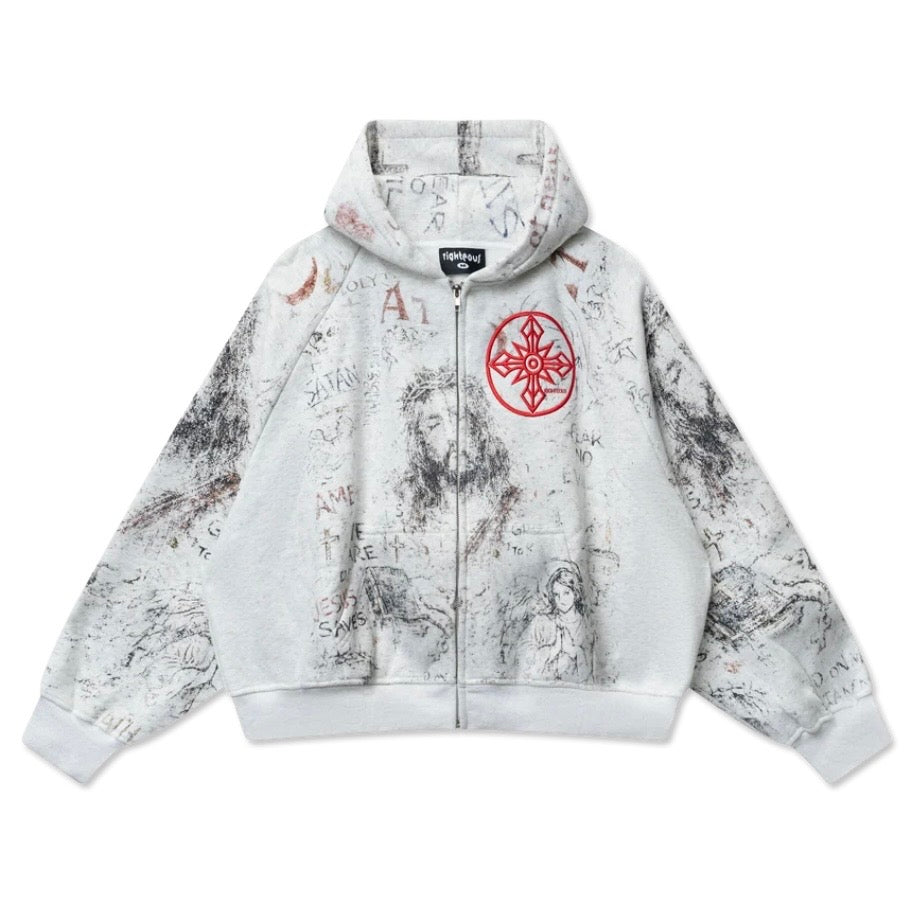
Until it’s actually hanging in your closet, choosing a hoodie colorway feels like a minor call — but then it either becomes a regular pick or never leaves the hanger. We Are Righteous designed its hoodie range around this exact problem, offering a range of shades that span neutral basics, richer statement shades, and a few transitional shades that suit multiple seasons. This guide lays out how to approach colorway selection, what each color group communicates, and how the choice shapes how it’s styled, cared for, and worn over time. Whether you’ve just discovered the righteous clothing brand or already have one piece and are weighing your next pick, the point of this is to make the decision faster and more confident.
Choosing a shade in streetwear goes beyond mere looks. It affects how often a piece actually leaves the closet, how it photographs, how it works alongside the rest of a wardrobe, and how forgiving it is with repeated washing and everyday use. A hoodie in the wrong shade for someone’s daily rotation becomes a once-a-month item; the right one becomes a weekly staple. That difference matters more than most shoppers expect when they’re browsing listings and picking based on a single photo.
Why Shade Selection Counts More Than You’d Expect
Most people settle on black or grey because they figure neutral tones are the low-risk pick, and more often than not they’re right. But low-risk doesn’t always mean the ideal match for an individual’s existing wardrobe or skin tone. A cool-leaning grey reads differently under fluorescent office lighting than it does outdoors, and a warm-leaning neutral can clash with certain jean shades or jacket colors already part of the wardrobe. Righteous apparel design accounts for this by maintaining consistent dye lots, which matters because inconsistent dye lots are one of the most common complaints in budget streetwear — shades vary order to order and buyers end up with two righteousoutlet.com/t-shirts «black» hoodies that don’t actually match.
Add to that a real-world washing consideration. Darker colorways conceal pilling and minor stains longer, which extends the fresh look of a piece from wash to wash. Lighter and pastel-adjacent shades reveal wear sooner but photograph better for frequent posters who share fit pics often. Anyone reading a righteous review before buying will typically see this trade-off mentioned — shoppers are concerned with how a hoodie looks in month six, not just on day one. The weight of the fabric also plays into color: heavier cotton blends tend to hold saturated colors better over repeated washes than thinner fabrics, which fade faster no matter the dye quality.
Understanding the Righteous Hoodie Color Categories
The full righteous hoodie range usually breaks down into three functional buckets for those trying to build a cohesive closet: base-layer neutrals, bold standout shades, and crossover colorways. Foundational neutrals include black, charcoal, and off-white — these are the colorways that integrate into nearly any closet already in place without demanding any rework of the surrounding pieces. Bold statement shades feature choices such as deep burgundy, forest, or navy, which bring added flair without tipping over into anything that narrows mix-and-match potential. Crossover colorways fall between the two, frequently softened or faded takes that perform well through three seasons but come across in a shifted way based on the light and what they’re paired with.
Being clear on which family a colorway belongs to helps shoppers prevent excess buying in one lane. A frequent pitfall is picking up three hoodies that are nominally distinct in color but practically the same in their styling role — a trio of dark neutrals, for example, when one dark neutral and two more distinct tones would produce a wider range of looks. This is a nuance that goes unnoticed in a lone product shot but becomes obvious once a person has more than one piece from the collection.
Pairing Colorways with Skin Tone and Current Wardrobe
One’s undertone affects how a shade appears far more than most people factor in. Warm-leaning complexions generally pair well with olive, rust, and warm neutral shades, while cooler undertones generally lean toward true black, navy, and frosty grey tones. This isn’t set in stone, but it accounts for why the same hoodie can look flattering on one person and a touch faded on another even with the same cut and material. Someone who isn’t sure of their undertone can run a simple test: gold jewelry that shows up nicer than silver against the skin generally points to warm undertones, and the reverse generally indicates cool undertones.
What’s already in the closet matters equally. Someone whose closet leans toward warm earth tones — olive jackets, brown boots, tan pants — will get more mileage from a righteous hoodie piece in a matching shade than from a stark black piece that requires building a whole new outfit around it. The most effective strategy is to select a tone that bridges two or more current outfit groups instead of one that pairs solely with just one pair of pants already in the closet.
A Comparison of the Core Righteous Hoodie Shades
The chart that follows compares the primary colorway lineup based on versatility, seasonal wear, and maintenance — three considerations that matter more in daily use than first-glance looks.
| Color Option | Best For | Seasonal Range | Maintenance Level |
|---|---|---|---|
| Black | Everyday wear, layering, low-maintenance rotation | Wearable in every season | Light — hides fabric pilling and minor stains nicely |
| Charcoal Grey | Semi-formal outfits, muted closets, and cool undertones | Autumn into spring | Moderate — displays fuzz more than black |
| Off-White | Social-media creators, hot-season outfits, statement fits | Warmer months | Significant — requires additional laundering |
| Burgundy Deep | Warm undertones, fall closets, and bold garments | Autumn into winter | Moderate — dark tone masks the bulk of wear-and-tear |
| Green, Forest Tone | Nature-inspired closets, rugged-style fits | Fall through early spring | Medium — visible fading apparent after multiple washes |
This comparison isn’t about judging shades as superior or inferior — the goal is matching care tolerance and seasonal wearing patterns to the ideal option. A buyer who wears hoodies daily and washes infrequently should lean toward black or burgundy. Off-white earns its keep for those building a summer core rotation, even though it calls for extra care.
The Impact of Colorway on Lifespan and Cost-Per-Wear
Applying a cost-per-wear lens makes sense for hoodie purchases, given that these layering pieces see far more wear than most wardrobe items. A hoodie reaching for two times a week over a year exceeds 100 wears, while one worn two times a month nets around 24. A major driver of this difference in wear rate is the color chosen, since a hue that clashes with half a wardrobe simply won’t get reached for as often, regardless of how good the fabric or fit is.
Because they hold up better visually and work alongside a broader wardrobe, deeper tones in the We Are Righteous lineup tend to deliver better cost-per-wear numbers. Lighter shades aren’t being criticized here; it’s simply a consideration worth factoring into the decision — especially for first-time buyers working out where to begin. A first-time buyer optimizing for maximum use should generally start with a neutral and expand into statement tones once the neutral has proven itself in rotation.
What Reviews Say About Colorway Performance Over Time
Buyer feedback consistently circles back to a few recurring themes across colorways. In a we are righteous review, colorfastness after multiple washes is the most frequently cited factor; darker tones generally score better for holding richness of color through 15-20 washes, while lighter tones show more visible fading over that same window. Fit consistency across colorways is another point reviewers bring up — buyers report that sizing feels the same regardless of shade, which suggests dye processes aren’t affecting fabric shrinkage or stretch in noticeable ways.
Buyers likewise point out how colorway choice affected their outfit flexibility well after buying, not just at the point of sale. Several note that a well-made hoodie purchased in a neutral shade turned into a rotation staple, while statement-tone purchases were worn more sparingly for specific outfits. This lines up neatly with the per-wear value reasoning outlined previously and reinforces that colorway decisions should be made with six-months-from-now wear in mind, not just how a photo looks at checkout.
Last Word on Colorway Choice
There’s no one-size-fits-all shade—only one matched to a person’s complexion, current closet, weather, and laundry routine. If a buyer is starting a first capsule with We Are Righteous, a core neutral should come before deeper or more seasonal tones, simply because neutral shades blend in sooner and confirm fit and fabric quality before any larger spend. Meanwhile, buyers with an already-established warm-toned wardrobe should head directly to burgundy or forest green instead of defaulting to black just because it’s the obvious choice.
The broader takeaway is that colorway isn’t a cosmetic afterthought in the righteous product line — it’s a practical choice with genuine impact on a garment’s wear frequency and how well it holds up looking good. Pairing color with lifestyle rather than one outfit snapshot, is what sets apart a hoodie that turns into an everyday favorite from one that sits folded on a shelf.